Category: Pedagogy
-
Processes are More Important than Prompts

This post outlines five practical steps for using GenAI platforms. Applying expertise, selecting the right model, adding context, using the internet, and iterating and refining are useful skills for working with these technologies.
-
What Do Educators Want to Learn About GenAI?

I recently asked a group of around 3000 educators from my mailing list what they’d like to learn about GenAI. I’m incredibly lucky to have feet in a couple of camps as both an early career researcher and a consultant/author. It means I have access to the training and skills for working with lots of…
-
Professional Development for AI in Schools: A Three-Dimensional Approach

PD for GenAI isn’t a “one and done” event – it needs to fit with teachers’ existing disciplinary expertise and their deep, contextual understanding of what it means to teach.
-
Using Metaphors to Teach Critical AI Literacy

What is Critical AI Literacy, and how might metaphors be used to teach it? We explore these questions in a new Open Access article in JIME.
-
Artificial Intelligence in Vocational Education
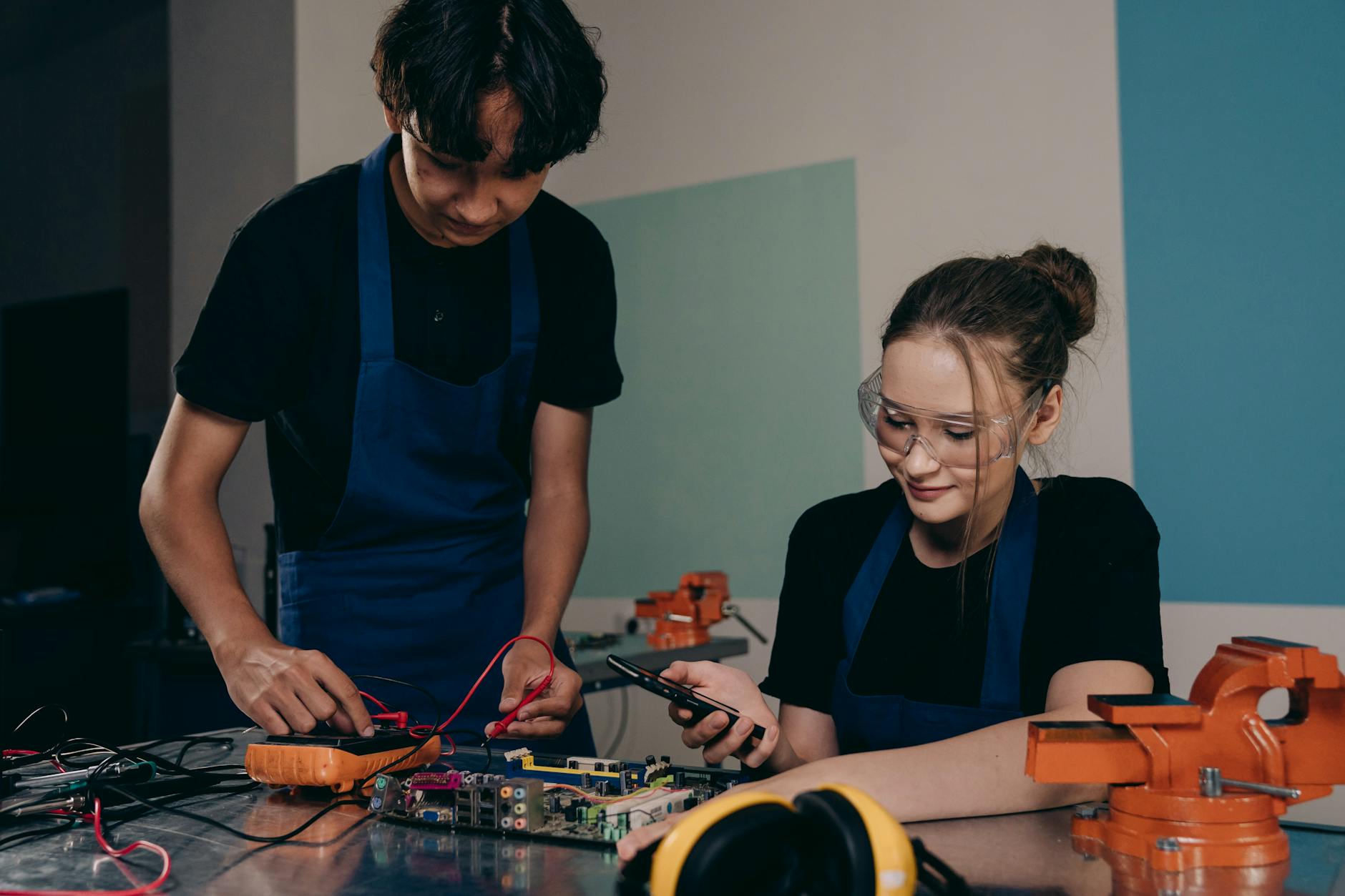
The Vocational Education and Training (VET) sector is the ideal place for experimentation with GenAI, both for educators and for small to medium enterprise owners.
-
About, With, Through, Without, Against: Five Ways to Learn AI

Learning about, with, through, without, and against AI are all important for students and educators.
-
Lesson planning is a verb: why does tech keep treating it as a noun?

Lesson planning is a process, an action, a verb; but tech companies keep trying to give us buttons that generate products. We need a better approach to technology that values curriculum design.
-
Beyond Time-Saving: How GenAI Might Actually Help Teacher Workload

Rather than focusing our attention on “time-saving” and “efficiency”, maybe there are other ways to think about AI and teacher workload. In this article I suggest some alternative areas we could look for improvements, using AI in ways that support human, relational practices in schools.
-
“Time Saved” is the Wrong Measurement for Teacher Workload and AI

Recent reports from The Walton Foundation and Microsoft claim teachers using AI can save up to “six weeks” of time over a school year, or between 6-9.5 hours per week. But what does “time saved” actually mean in education? And should we be basing conversations about technology on this obscure, often misleading metric?
-
Process > Prompts

The article discusses the evolution of using generative AI tools like ChatGPT in education, emphasising the significance of process over prompts. Key advances include file uploads, image recognition, internet connectivity, code execution, and improved reasoning models. These enhance user interaction, streamline tasks, and facilitate effective resource management in educational settings.