Year: 2024
-
AI Assessment Scale (AIAS) Translations from Around the World
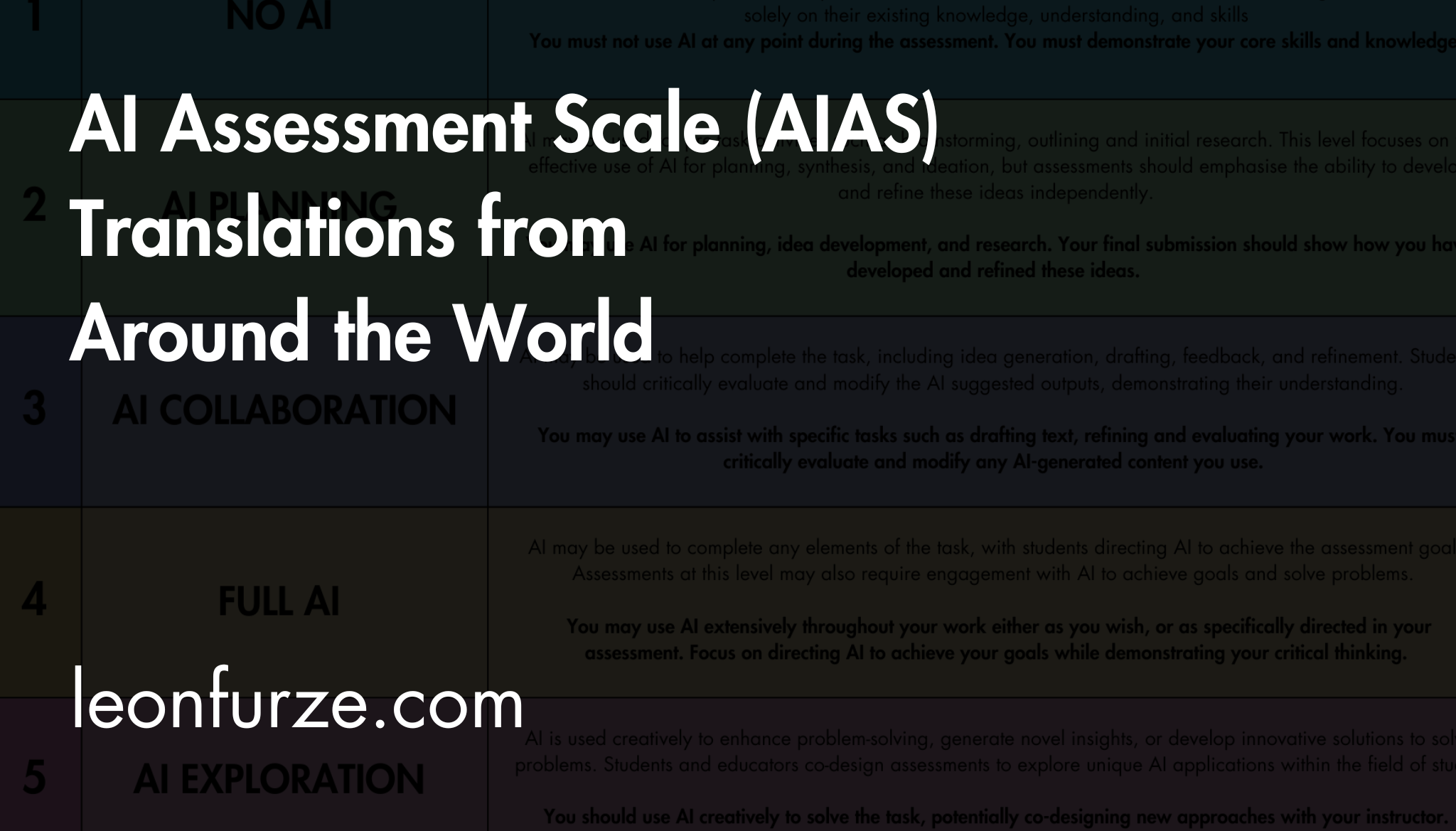
The AI Assessment Scale has been adopted across the world in both the original (traffic lights) version, and the updated (bubblegum) version. We have been amazed by how many K-12 and Higher Education institutions have used the AIAS to help their faculty and students. Since we released the version 2 updates as a CC BY…
-
More From the Fence: Articles For and Against AI in Education
A few weeks ago I wrote an article explaining why I’m still on the fence with AI, and refuse to tip entirely into either refusal or full adoption. In this post, I’m pulling together some of the most read articles on this site from both sides of the fence, to add a little weight to…
-
What Can Lewis Caroll Teach us about GenAI?

Lately I’ve been posting a bit about metaphors, and their use in teaching and critiquing Generative AI products like ChatGPT. As an English teacher first and foremost, I want to find ways to teach with, through, and sometimes against AI that keep students’ voices and educators’ expertise front and centre. And I’m always looking for…
-
Writing Against AI: Free Session Resources
Last week I had the pleasure of attending the Victorian Association for the Teaching of English (VATE) conference and presenting on ‘Writing Against AI’. I’m a VATE Council member, and it’s always my favourite conference of the year and an opportunity to catch up with English teachers and academics in person. In this brief post,…
-
OpenAI is Coming for Writers
There’s something brewing at OpenAI, and it’s not their often promised AGI. While Altman seduces investors with the speculative promises of Artificial General Intelligence and ever more powerful versions of GPT, a very real play is being made for much more concrete territory. Over the past few months, a number of product releases and updates…
-
It’s Uncomfortable on the Fence but at Least the View Is Nice
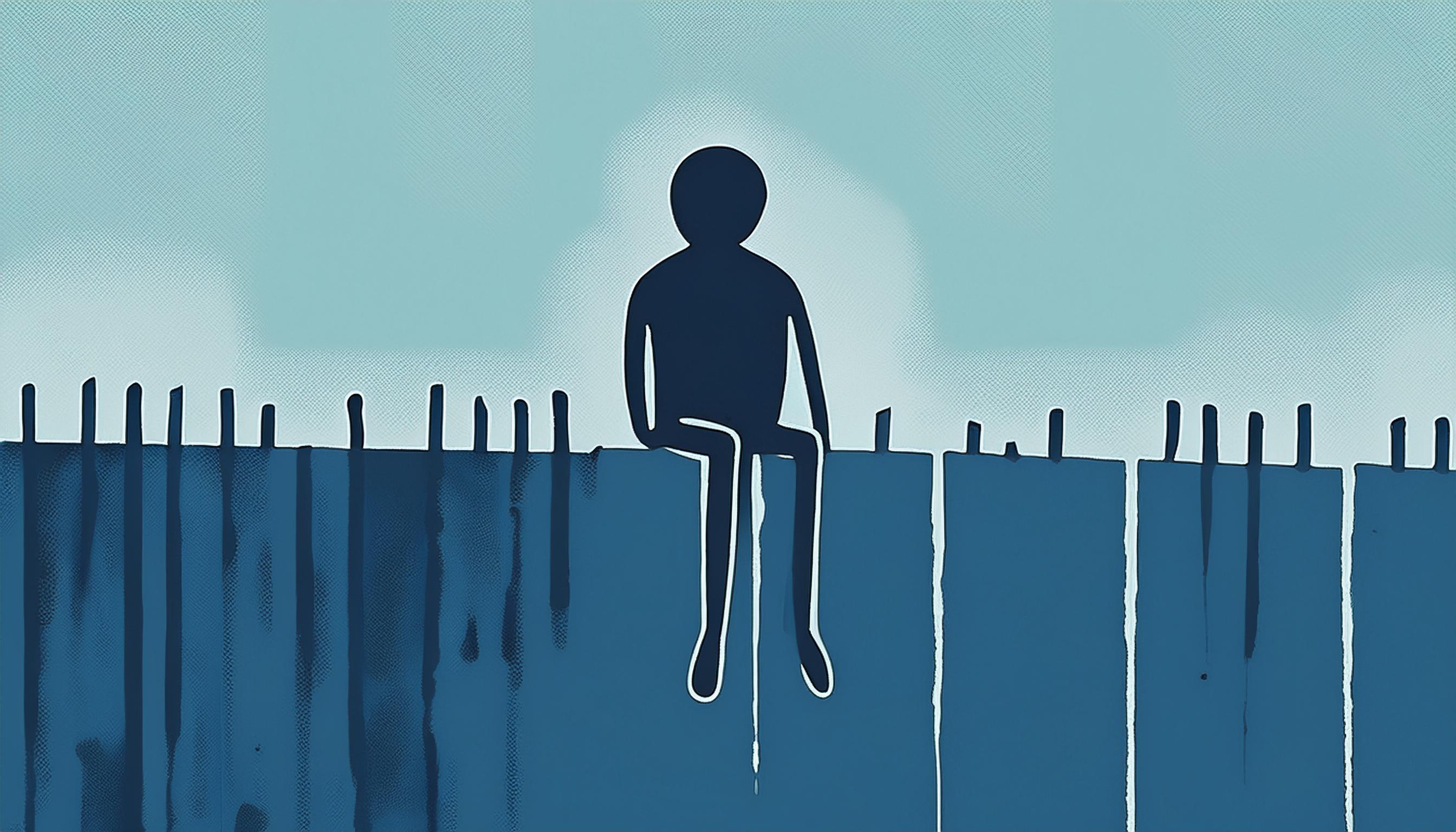
I often get asked to explain, or more accurately, defend my position on AI in education. I actually quite like sitting up here on the fence with a good view of both the pros and the cons. I’ve also got a lot of respect for people on either side of the fence: the critics who…
-
AI and the Art of Paper Folding

The post reflects on metaphors used to discuss artificial intelligence, particularly introducing an origami analogy. It emphasises that AI outputs are intricately shaped by the training data like origami models are formed from a single sheet of paper. This analogy reveals insights into AI’s limitations, creativity, and the nature of its outputs.
-
What is Bluesky and Why Are Thousands of Educators Signing Up?

I kind of missed out on Twitter. By the time the platform was picking up speed, drawing millions of users into the network of short-form content and high speed, frantic exchanges of news (and cat pics), I’d already resigned myself to being a long-form writer. I’ve had a blog for over fifteen years, and have…
-
Synthetic Sycophants: Why ‘Yes-Bots’ are a Problem for Education

A student is working late on their chemistry homework, struggling with atomic structure. They turn to an AI assistant with a misconception: “I think atoms have fixed electron paths, like planets orbiting the sun.” The AI responds with polite agreement and an authoritative explanation supporting this incorrect model. When challenged, the AI even apologises for…
-
Hacking the Future: A Developer’s DIY Approach to AR Glasses

Innovation often springs from frustration with the status quo. For developer Miroslav Kotalík, the limitations of existing augmented reality (AR) glasses kickstarted a journey to create something better. After I saw a post about Kotalík’s impressive DIY AR glasses, which he has called “Zero”, I reached out to him on X and asked if he’d…